Explore wall tile in marble, travertine, onyx, dolomite, granite and limestone for kitchens, bathrooms, fireplaces and feature walls. Choose from classic field tiles, decorative mosaics, Versailles patterns, dimensional textures and ledger panels in a range of colors, sizes and finishes. Order samples to compare the color, veining and variation before planning your installation.
Wall Tile for Kitchens, Bathrooms and Feature Walls
Wall tile can shape the character of an entire room, whether it covers a kitchen backsplash, bathroom wall, fireplace surround or a large architectural feature. This collection brings together marble, travertine, onyx, dolomite, limestone and granite in formats ranging from clean field tile to intricate mosaics and dimensional ledger panels.
Natural stone wall tile is inherently varied rather than manufactured to look identical. Differences in color, veining, mineral movement and texture give finished walls depth and individuality while allowing the material to work with traditional, transitional and contemporary interiors.
Choose Wall Tile by Material
Marble tile offers one of the broadest selections for interior walls. White and gray marbles create bright, refined surfaces, while black, green, beige and brown stones can introduce contrast or warmth. Marble is available in field sizes, subway formats and decorative patterns for backsplashes, bathrooms and statement walls.
Travertine tile has a warmer, more textured appearance. Ivory, walnut, noce, gold and silver varieties can complement rustic, Mediterranean and organic interiors. Tumbled and textured finishes create a relaxed surface, while honed or filled options provide a cleaner appearance when available.
Onyx tile can bring translucency, movement and dramatic color to decorative walls, backsplashes and niches. Dolomite tile offers a bright marble-like appearance with distinctive gray movement. Limestone creates a quieter, more understated surface, while granite provides darker options for projects that call for stronger contrast.
Field Tile, Mosaics and Ledger Panels
Field tiles create a continuous surface with fewer pattern changes. Smaller rectangles can form subway and offset layouts, while square and large-format pieces can produce a cleaner, more expansive look. Versailles and Roman patterns introduce varied scale and movement for projects that benefit from a more traditional composition.
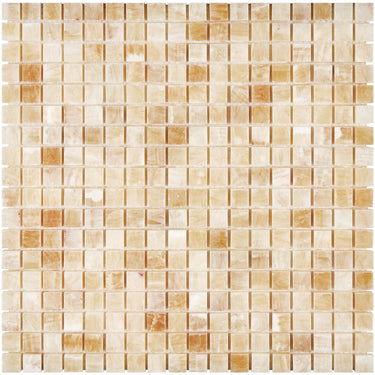
Smaller modular layouts, including pieces in the Versailles mosaic collection, can add movement without requiring the scale of a full field-tile pattern. These formats work particularly well in niches, framed wall areas and decorative inserts.
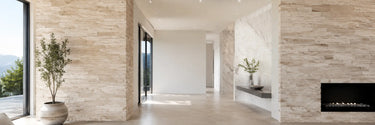
Ledger panels create a dimensional surface with visible relief and shadow. Straight panels cover the primary wall area, while coordinating corner pieces help continue the pattern around outside corners. Their textured construction makes them particularly effective for fireplaces, feature walls and selected outdoor applications. Confirm the selected panel’s location and installation requirements before use in wet or exposed conditions.
Selecting Tile for the Wall
Begin with the size and proportions of the installation area. Smaller mosaics can adapt to detailed spaces, while larger field tiles reduce the number of grout joints and create a more continuous appearance. Subway formats work well for backsplashes and bathroom walls, and dimensional panels can add depth where texture is the main design feature.
Color and finish should be evaluated with the room’s lighting, cabinetry, fixtures and adjoining surfaces. Polished stone reflects more light and can emphasize color and veining. Honed finishes have a softer appearance, while tumbled and split-face surfaces introduce texture. Availability varies by product and stone.
Order samples before making a final selection. Review samples in the actual project lighting and remember that a sample represents only part of the stone’s possible range. For larger orders, blend material from multiple cartons during layout so color and veining are distributed throughout the installation.
Planning a Wall Tile Installation
The substrate, tile size, stone weight, moisture exposure and selected finish all affect installation requirements. Large-format tiles and ledger panels may require additional substrate preparation or support. Wet areas also need a properly designed waterproofing system; tile, grout and sealer do not replace waterproofing.
Use setting materials approved for the selected stone and application. Light-colored or translucent stone commonly requires compatible white mortar, and some materials may need specialized installation products. Consult a qualified installer and review the Natural Stone Tile Installation Guide while planning the project.
Explore the collection, compare formats and order samples to find wall tile that fits the scale, color and character of your space.
Frequently Asked Questions
What types of natural stone wall tile are available?
Our wall tile collection includes marble, travertine, onyx, dolomite, granite and limestone in field tiles, mosaics, Versailles patterns, dimensional textures and ledger panels. Available colors, sizes and finishes vary by stone, giving you options for subtle surfaces, decorative patterns and more textured feature walls.
Can natural stone wall tile be used in kitchens, bathrooms and fireplaces?
Many natural stone tiles can be installed on kitchen backsplashes, bathroom walls, shower surrounds, fireplace surrounds and interior feature walls. Suitability depends on the specific stone, finish, installation area and exposure to moisture or heat. Review the individual product details and confirm installation requirements with a qualified tile professional.
How should I choose natural stone tile for a wall?
Consider the installation area, tile format, finish, color variation and maintenance requirements. Order samples to compare the stone’s actual color, veining and texture in your space. Natural stone may require sealing, and installation materials should be selected for the specific stone and substrate. Ledger panel corner accessories can help create a more continuous appearance around outside corners.
Recently viewed products
Nationwide Shipping
Securely packed and delivered across the U.S.
Order Samples
See the stone's color and character before you buy.
Premium Natural Stone
Authentic stone selected for quality and character.
Project Support
We're here to help from samples to final quantities.
Trade & Volume Pricing
Special pricing available for qualifying projects.




 See It in Your Space


