


Natural Stone Care & Maintenance Guide
Choose the problem you're trying to solve: cleaning, sealing, stains, etching or outdoor travertine care. New to the maintenance of marble? Start with cleaning, then sealing.
Or jump to:Know your stoneEveryday careRoom by roomStains & damageScheduleFAQs
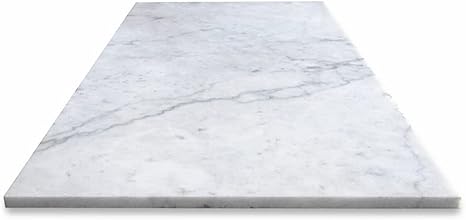
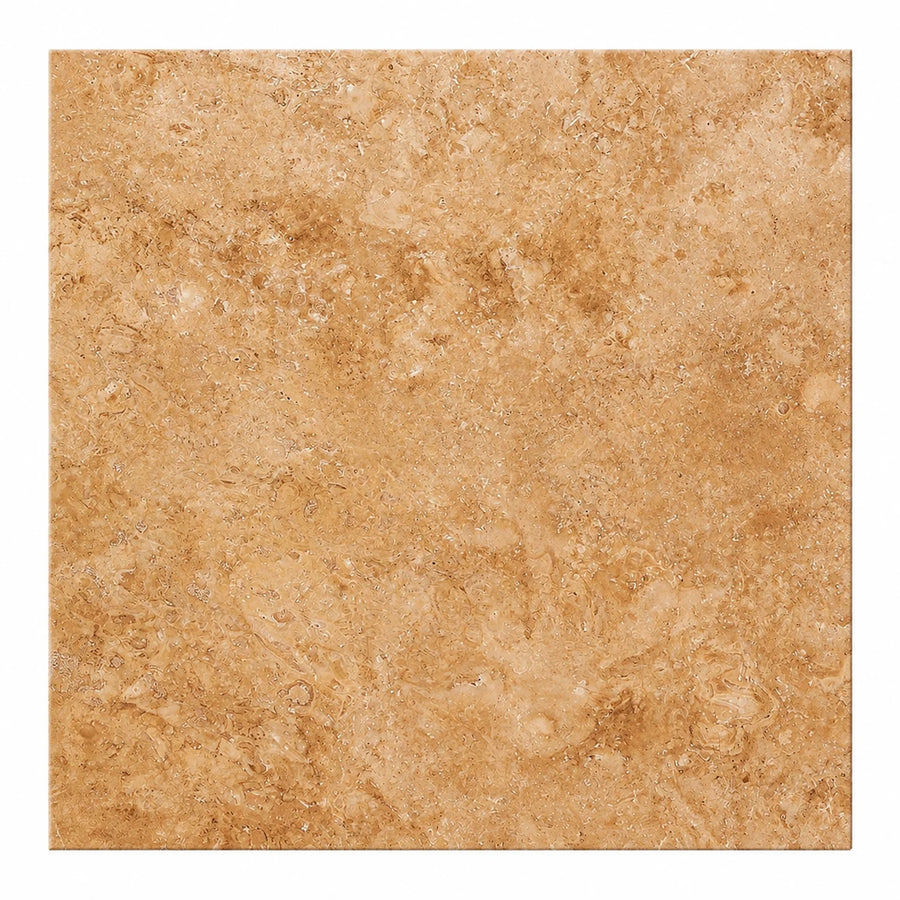
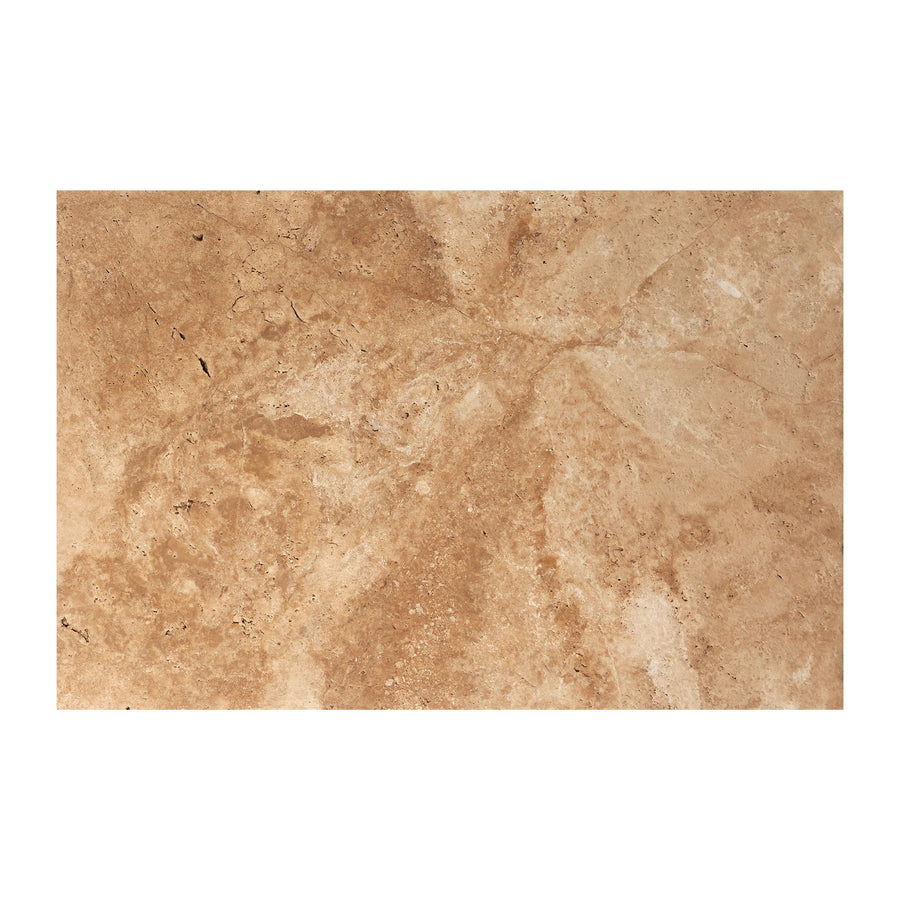
© SoCal Tiles. All rights reserved. Do not copy or republish without written permission. Ref sct-a11de6b256
Step-by-step care guides
Sourced, step-by-step answers to the most common natural stone questions.
See also the Stone tile grout guide and the Travertine sealing guide.
How to Seal Marble and Natural Stone Tile
Sealing marble means applying an impregnating (penetrating) sealer that soaks into the stone and makes it repel liquids.
Read the guide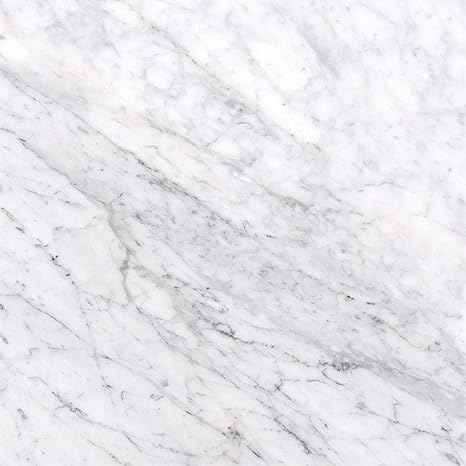
How to Clean Marble Floors
Dust-mop marble floors often to remove grit, then wash them with a pH-neutral stone cleaner (or a little mild dish soap) in warm water, using a damp, not soaking, microfiber mop.
Read the guideHow to Remove Stains from Marble and Stone Floors
First, make sure it's a stain and not an etch mark: stains are usually darker than the stone, and etch marks are lighter and duller.
Read the guide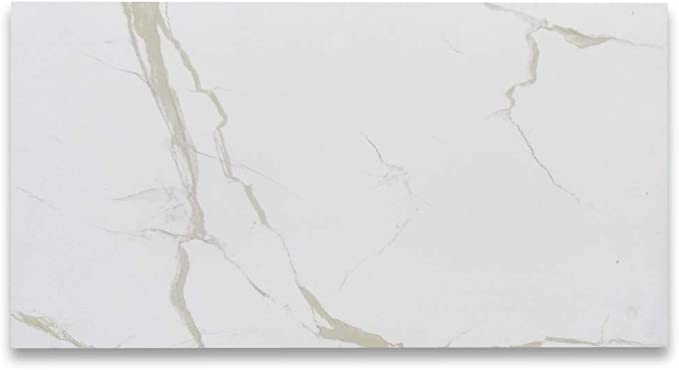
Etching vs Staining on Marble: How to Tell the Difference
A stain is something that has soaked into marble and changed its color, usually leaving a darker spot.
Read the guide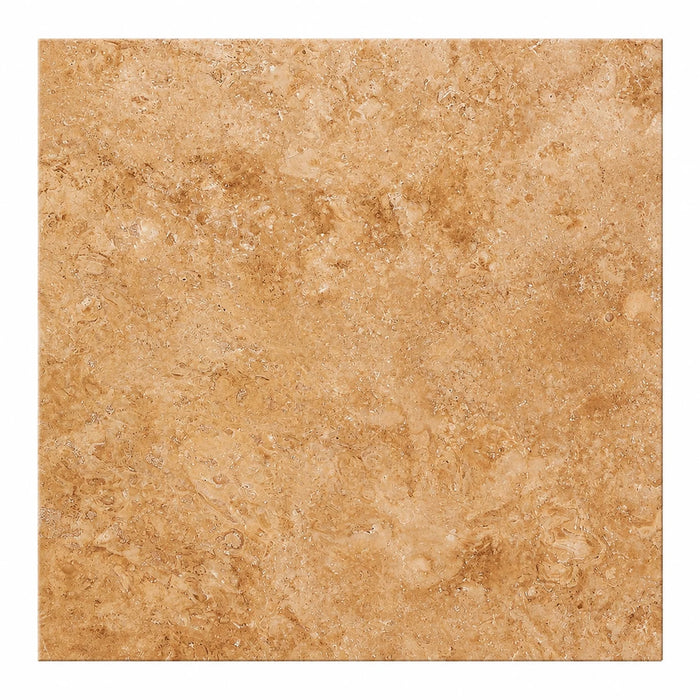
Caring for Travertine Floors, Patios and Pool Decks
Travertine is a calcium-carbonate stone, like marble, so care for it the same way: clean with pH-neutral products, never vinegar or acidic cleaners, and blot spills quickly.
Read the guide© SoCal Tiles. All rights reserved. Do not copy or republish without written permission. Ref sct-a11de6b256
Know your stone
Natural stone is valued for its genuine variation, depth and lasting character. With appropriate cleaning and maintenance, marble, travertine, limestone, onyx and dolomite surfaces can retain their beauty for many years.
Proper care begins with understanding that natural stone is not maintenance-free. The correct routine depends on the stone type, finish, location, moisture exposure, installation and products previously applied to the surface.
Different stones respond differently to moisture, cleaners, stains and everyday use. Marble, limestone, travertine, onyx and many dolomitic stones may be sensitive to acidic substances. Contact with lemon juice, vinegar, wine, some bathroom cleaners and similar products can dull or etch the surface.
Polished
Polished stone has a reflective surface that may make etching, scratches and dull spots more noticeable.
Honed
Honed stone has a smooth, matte appearance and may conceal minor surface wear more effectively.
Tumbled or textured
Tumbled or textured stone has an intentionally aged or uneven surface that can hold more dirt or residue and may require additional attention during cleaning.
Filled travertine
Filled travertine contains factory- or field-applied filler in its natural voids. The filler should be monitored and repaired if it loosens or deteriorates.
Natural characteristics
- Color and shade variation
- Veining and mineral deposits
- Small pits, fissures or surface movement
- Differences in texture and absorption
- Temporary darkening when exposed to moisture
- Changes in appearance as the stone ages and develops a natural patina
Not sure what you have?
Before selecting any cleaner, sealer or stain treatment, identify the stone type, finish and application. A treatment suitable for one surface may damage another.
If you are unsure which stone or finish you have, avoid aggressive cleaning methods and consult a qualified stone-care professional.
© SoCal Tiles. All rights reserved. Do not copy or republish without written permission. Ref sct-a11de6b256
The maintenance of marble: the basics
Marble maintenance comes down to three habits: keep grit off it, blot spills fast and clean with pH-neutral products made for natural stone. Everything else on this page builds on those. New to the stone? Start with What Is Marble? and browse marble tile.
Keep it clean
Dust-mop or sweep, then wash with a pH-neutral stone cleaner in warm water and dry. That is the whole routine for marble floors, walls and tile.
How to clean marble floorsSeal it, then test it
A sealer slows stains but doesn't stop etching. Use the water-drop test, not the calendar, to decide when to seal or reseal.
How to seal marble tileKnow a stain from an etch
Darker spots are usually stains and lighter, duller spots are etches. They need different fixes, so check the etching guide before you reach for a remover.
Remove a stainMarble in showers and kitchens
Squeegee showers, blot spills in kitchens and keep acids away from polished marble. Honed marble hides wear better: see honed vs polished stone.
Cleaning a marble shower© SoCal Tiles. All rights reserved. Do not copy or republish without written permission. Ref sct-a11de6b256
Everyday care
For routine cleaning, use clean water or a pH-neutral cleaner specifically approved for natural stone.
Use cleaning and sealing products specifically approved for natural stone. Follow the product manufacturer’s instructions and test unfamiliar treatments on an unused piece or inconspicuous area before applying them to the complete surface.
Routine cleaning
- Remove loose dust, sand and debris.
- Dilute the cleaner according to its manufacturer’s instructions.
- Apply it with a soft cloth, sponge or clean mop.
- Avoid using excessive cleaner, which may leave a film.
- Rinse the surface thoroughly when the product instructions require it.
- Dry the stone with a clean, soft cloth or mop.
- Keep mop heads, cloths and cleaning tools free of grit.
Use separate, clean tools for stone care. Dirty mop water, abrasive pads and residue from other household cleaners may create streaks or damage the finish.
Full floor-cleaning guideWhen a spill happens
Respond to spills promptly, especially on porous or light-colored stone.
- Blot the spill with a clean, absorbent cloth or paper towel.
- Do not wipe aggressively, as this may spread the liquid.
- Clean the area with water and a pH-neutral stone cleaner.
- Rinse when required by the cleaner manufacturer.
- Dry the area thoroughly with a soft cloth.
- Repeat the process if necessary.
Wine, citrus, vinegar, coffee, cooking oil, cosmetics and strongly colored substances should not remain on the stone. Even sealed stone can stain or etch if a substance is allowed to remain on the surface.
Do not apply a random stain remover before identifying whether the issue is a stain, etch mark, mineral deposit, surface residue or moisture condition. These problems may look similar but require different treatments.
Never use
Unless specifically approved for the exact stone and finish, do not use:
- Vinegar or lemon-based cleaners
- Acidic bathroom or grout cleaners
- Toilet-bowl cleaner
- Abrasive powders or scouring creams
- Rough scrub pads or metal brushes
- General-purpose cleaners containing unknown acids
- Harsh alkaline cleaners
- Worn vacuum attachments that may scratch the surface
- Steam-cleaning equipment unless approved for the stone and installation
- Wax, topical coatings or “shine” products not designed for natural stone
Acidic products can etch or dull marble, limestone, travertine, onyx and other acid-sensitive stones. Abrasive products may scratch polished, honed or delicate finishes.
Never mix cleaning chemicals. In particular, never mix bleach and ammonia because the combination creates dangerous toxic gas.
© SoCal Tiles. All rights reserved. Do not copy or republish without written permission. Ref sct-a11de6b256
Care room by room
Floors
Dust-mop or vacuum natural stone floors regularly to remove sand, dirt and grit. These particles can act as abrasives under foot traffic.
- Use a clean, untreated dust mop.
- Make sure vacuum wheels and attachments cannot scratch the stone.
- Clean with a diluted pH-neutral stone cleaner.
- Change dirty rinse water frequently.
- Avoid oversaturating the floor.
- Clean spills promptly.
- Use protective pads beneath furniture.
- Avoid dragging furniture or heavy objects across the surface.
- Place mats at entrances to capture outdoor debris.
Do not use wax or polishing products unless they are specifically approved for the stone, finish and installation.
Showers & baths
Natural stone showers require regular cleaning, ventilation and moisture management.
- Use a soft squeegee to remove water from walls and glass.
- Allow the shower to ventilate and dry.
- Remove soap and personal-care product residue promptly.
- Use a non-acidic cleaner approved for natural stone.
- Keep drains clear and operating properly.
- Monitor corners and changes of plane for deteriorated flexible sealant.
- Avoid leaving metal containers directly on wet stone.
Soap residue and hard-water minerals can accumulate over time. Do not use acidic calcium, lime or rust removers unless a stone-care professional confirms compatibility with the exact surface.
Persistent darkening, efflorescence, loose grout, recurring biological growth or prolonged moisture may indicate an installation or waterproofing issue rather than a cleaning issue. Consult a qualified installer or stone professional.
Kitchens & backsplashes
Kitchen stone surfaces may be exposed to cooking oil, food, beverages, heat and acidic ingredients.
- Use coasters under drinks containing citrus or alcohol.
- Use trivets or heat-resistant mats beneath hot cookware.
- Use trays beneath oil, soap and frequently used containers.
- Blot spills promptly.
- Avoid cutting directly on the stone.
- Use cleaners approved for natural stone and the food-preparation area.
- Do not allow cooking oil or strongly colored liquids to remain on the surface.
Sealing can provide additional time to respond to spills, but it cannot prevent acid etching or guarantee against staining.
Patios & pools
Exterior stone is exposed to sunlight, weather, dirt, organic matter and changing moisture conditions.
- Removing leaves, soil and debris
- Rinsing with clean water
- Using a stone-safe cleaner when needed
- Maintaining proper drainage
- Preventing prolonged contact with metal objects that may rust
- Monitoring grout, joints and surrounding drainage conditions
- Addressing algae, mildew or moss with an appropriate stone-safe treatment
Do not use high-pressure cleaning equipment without professional guidance. Excessive pressure may damage softer stone, grout, joints or the installation beneath the surface.
Pool chemicals and acidic cleaning products can affect natural stone and surrounding installation materials. Confirm that all cleaning and treatment products are approved for the stone, finish and pool environment.
Sealing
An impregnating or penetrating sealer may help reduce the stone’s absorption of water, oil and other staining substances. Sealer does not make natural stone waterproof, stain-proof, scratch-proof or maintenance-free.
Not every stone or installation requires the same sealer or application schedule. The appropriate product depends on:
- Stone type and porosity
- Surface finish
- Interior or exterior use
- Floor, wall, shower or backsplash application
- Moisture and stain exposure
- Previously applied treatments
- Sealer manufacturer’s instructions
Do not apply additional sealer simply because a fixed amount of time has passed. Evaluate the stone’s performance and follow the sealer manufacturer’s recommendations. Excessive or incompatible sealer can leave haze, streaks or uneven coloration.
© SoCal Tiles. All rights reserved. Do not copy or republish without written permission. Ref sct-a11de6b256
Stains, etching and damage
A stain, etch mark and scratch are different conditions and may require different treatment.
Stains
A stain occurs when a substance penetrates the stone and changes its color. Identifying the source of the stain is the first step in selecting a treatment.
Oil, food, beverages, metal, cosmetics, organic matter and moisture conditions can produce different types of discoloration. Deep or unidentified stains may require a professionally selected poultice or restoration treatment.
Remove a stainEtching
Etching is a chemical reaction that can create a dull, lighter or roughened area on acid-sensitive stone. It is not the same as a stain, and applying additional sealer will not repair it.
Etched polished stone may require professional refinishing or repolishing.
Etching vs stainingScratches
Sand, grit, furniture, abrasive tools and improper cleaning methods may scratch natural stone. Deep scratches, chips and damaged finishes should be evaluated by a qualified stone-restoration professional.
Do not repeatedly experiment with chemicals or abrasive treatments. An unsuitable treatment may enlarge the affected area or cause permanent damage.
Efflorescence & moisture
Efflorescence may appear as a white, powdery deposit caused by mineral salts carried to the surface by moisture.
On a new installation, carefully remove loose dry residue without introducing additional water. If the condition persists, contact the installer to identify the source of moisture.
Recurring darkening, staining, loose grout, mold, surface deposits or persistent moisture may indicate a drainage, waterproofing or installation issue. Cleaning the surface alone may not correct the underlying cause.
Travertine care© SoCal Tiles. All rights reserved. Do not copy or republish without written permission. Ref sct-a11de6b256
Maintenance schedule
Maintenance frequency depends on use, stone type, finish and exposure.
Daily or As Needed
- Blot spills promptly.
- Remove dirt, sand and debris.
- Dry wet surfaces.
- Use a squeegee in showers.
- Avoid prolonged contact with staining substances.
Weekly
- Clean frequently used surfaces with a pH-neutral stone cleaner.
- Inspect shower corners and moisture-prone areas.
- Clean floor mats and entrance areas.
- Check for soap or hard-water buildup.
Periodically
- Inspect grout and flexible sealant.
- Review exterior drainage conditions.
- Check for uneven wear, recurring stains or moisture.
- Evaluate whether the surface still resists absorption as expected.
- Consult the sealer manufacturer before resealing.
As Needed
- Arrange professional evaluation of deep stains.
- Repair damaged flexible sealant.
- Restore etched or scratched finishes.
- Address recurring moisture or efflorescence.
- Replace damaged pieces when appropriate.
© SoCal Tiles. All rights reserved. Do not copy or republish without written permission. Ref sct-a11de6b256
Stone care checklist
Recommended
- Use pH-neutral products approved for natural stone.
- Blot spills instead of spreading them.
- Test unfamiliar products first.
- Follow product-manufacturer instructions.
- Use soft, clean cloths, mops and sponges.
- Remove abrasive debris regularly.
- Protect surfaces from oil, cosmetics and acidic liquids.
- Allow wet areas to dry and ventilate.
- Retain extra stone for possible future repairs.
- Contact a professional when the cause of damage is uncertain.
Avoid
- Vinegar, lemon and acidic cleaners
- Abrasive powders and rough pads
- Unapproved grout or bathroom cleaners
- Excessive cleaner or soap
- Standing water
- Dragging heavy objects
- Mixing cleaning chemicals
- Applying sealer without testing
- Assuming sealed stone cannot stain or etch
- Attempting aggressive restoration without professional guidance
© SoCal Tiles. All rights reserved. Do not copy or republish without written permission. Ref sct-a11de6b256
Natural stone care FAQs
What cleaner should I use on natural stone?
Use a pH-neutral cleaner specifically approved for natural stone. Follow its dilution and application instructions and test it before treating the entire surface.
Can I use vinegar on marble or travertine?
No. Vinegar is acidic and can etch marble, travertine, limestone, onyx and other acid-sensitive stones.
Does sealing make natural stone stain-proof?
No. Sealer may improve resistance and provide more time to clean a spill, but it does not make stone stain-proof, waterproof or maintenance-free.
How often should natural stone be sealed?
There is no universal schedule. Sealing frequency depends on the stone, finish, application, use and sealer product. Follow the sealer manufacturer’s recommendations and evaluate the surface before resealing.
Why did my stone become dull after a spill?
Acid-sensitive stone may have been etched by vinegar, citrus, wine or another acidic substance. Etching changes the surface finish and may require professional restoration.
Can I use regular bathroom cleaner in a natural stone shower?
Only if the product manufacturer specifically approves it for the exact natural stone. Many bathroom, lime and grout cleaners contain acids or other ingredients that may damage stone.
How should I clean natural stone floors?
Regularly remove abrasive dirt and grit, then clean with a properly diluted pH-neutral stone cleaner and a clean mop. Avoid excessive water and dirty rinse water.
Why does my shower stone temporarily darken?
Some natural stones absorb moisture and may temporarily darken when wet. Persistent or uneven darkening may require evaluation of the stone, sealer, drainage and installation system.
Can a stain be removed with additional sealer?
No. Sealer does not remove an existing stain. The stain source must first be identified and treated appropriately.
What should I do if I do not know what caused the stain?
Stop using experimental cleaners and document the location, color and pattern of the stain. Contact a qualified stone-care or restoration professional for appropriate treatment.
How do I seal limestone?
Limestone is a calcite stone like marble, so use an impregnating sealer labeled for limestone, test it on a spare tile and follow the maker's label. Do the water-drop test first: if the stone darkens, sealing can help. Clean with a pH-neutral cleaner, apply thin even coats and wipe off the excess. The full steps are in how to seal marble and natural stone tile. Browse limestone tile.
What is patina on limestone and marble?
Patina is the soft change in a stone's surface over years of use, light and cleaning. Small marks, a mellower finish and slight color shifts are all part of it, especially on honed and tumbled stone. It is different from damage: a dull ring left by an acid is an etch, not patina. See etching vs staining and honed vs polished stone.
How do I clean grout haze off stone tile?
Grout haze is a thin, cloudy film of grout left on the stone after grouting. It is easiest to remove soon after grouting, by wiping with a damp sponge and clean water as the grout maker directs. Once it hardens, don't reach for an acid-based haze remover: acids can etch marble, travertine and limestone. Ask your installer, choose a haze remover labeled safe for your stone and test a hidden spot first. See our installation guide and cleaning marble grout.
© SoCal Tiles. All rights reserved. Do not copy or republish without written permission. Ref sct-a11de6b256
Need help caring for your natural stone?
Have your order number, product name, finish, application and photographs ready. Our Customer Care team can help answer product-related questions and direct you to available product information.
For stains, etching, scratches, moisture problems or restoration work, consult a qualified natural stone care or restoration professional.
Important care notice
This guide provides general educational information and is not a substitute for instructions from the installer, stone-care product manufacturer or qualified restoration professional.
Natural stone characteristics, surface finishes, sealers, installation systems and site conditions vary. Always test cleaning and maintenance products before full application and follow the product manufacturer’s current written instructions.
SoCalTiles supplies natural stone products but does not control installation conditions, maintenance practices, third-party products or restoration work. The property owner and service professional are responsible for determining whether a treatment is appropriate for the specific stone and application.
© SoCal Tiles. All rights reserved. Do not copy or republish without written permission. Ref sct-a11de6b256