


The SoCal Tiles Natural Stone Encyclopedia
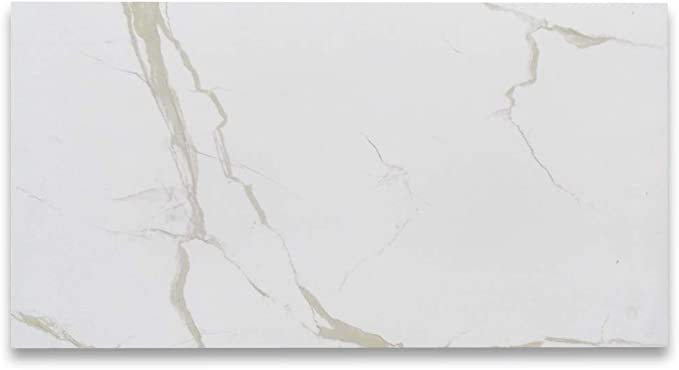
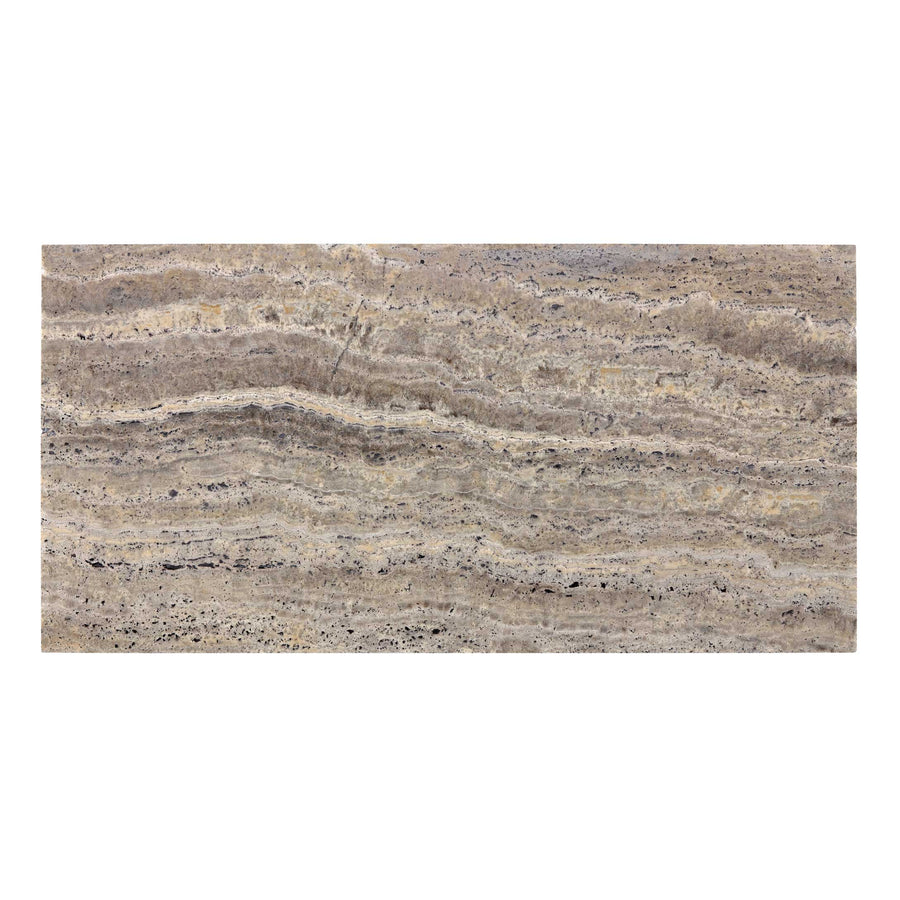
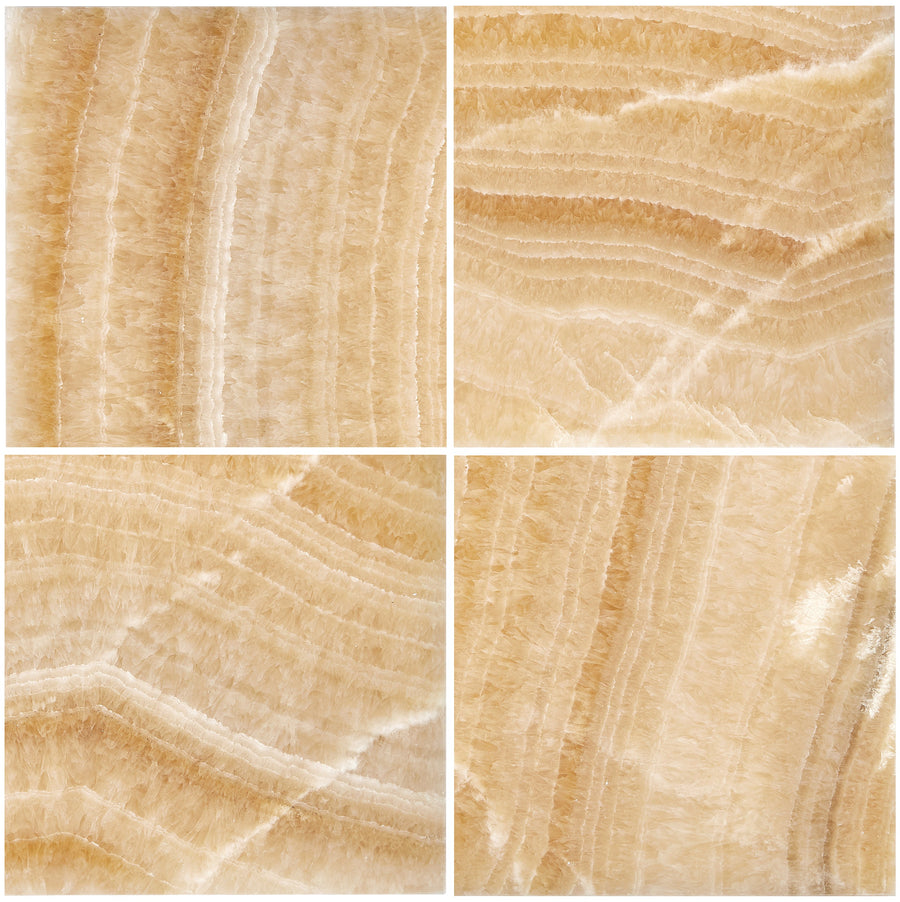
Most natural stone tile falls into four families: marble, travertine, onyx and dolomite. The trade names don't always match the geology. "Marble" also covers some limestone that was never recrystallized, travertine is a type of limestone, and much of the stone sold as "onyx" is banded calcite. Each entry explains what a stone is, what its name means and how it compares, then shows what SoCal Tiles carries.
Also searching for tile basics like 1/8 vs 1/16 grout lines, wall tile vs floor tile, honed vs tumbled or what a vein cut is? Browse the guides below or jump to the quick answers.
Or jump to:ComparisonsStone entriesStone careColor codesGuides and how-tos
© SoCal Tiles. All rights reserved. Do not copy or republish without written permission. Ref sct-5798b3e3ef
Start with a family
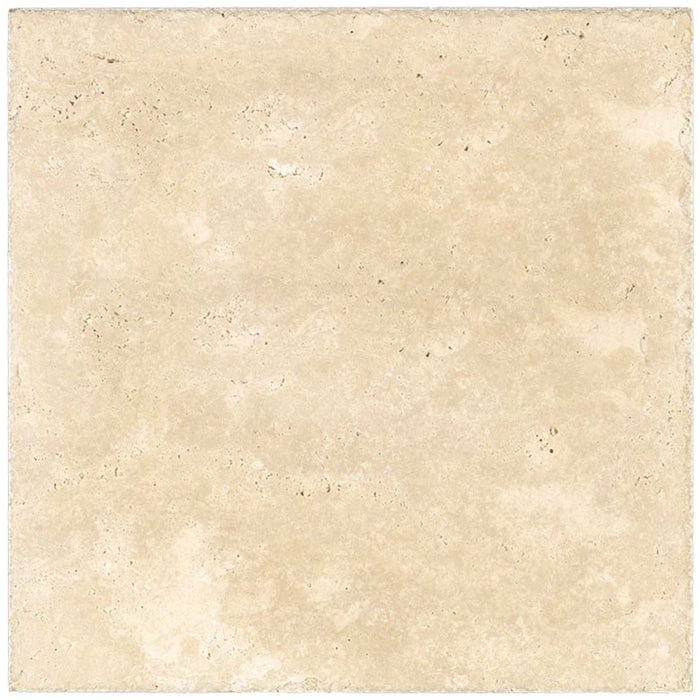
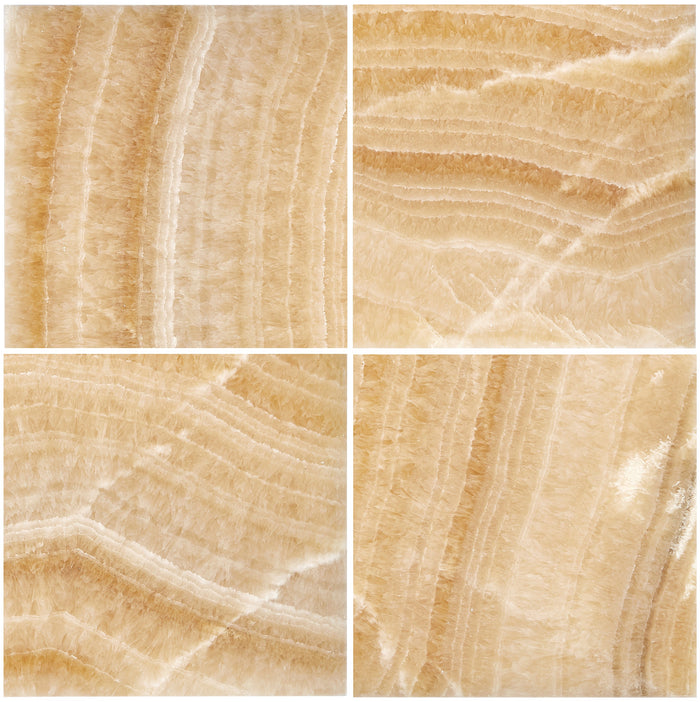
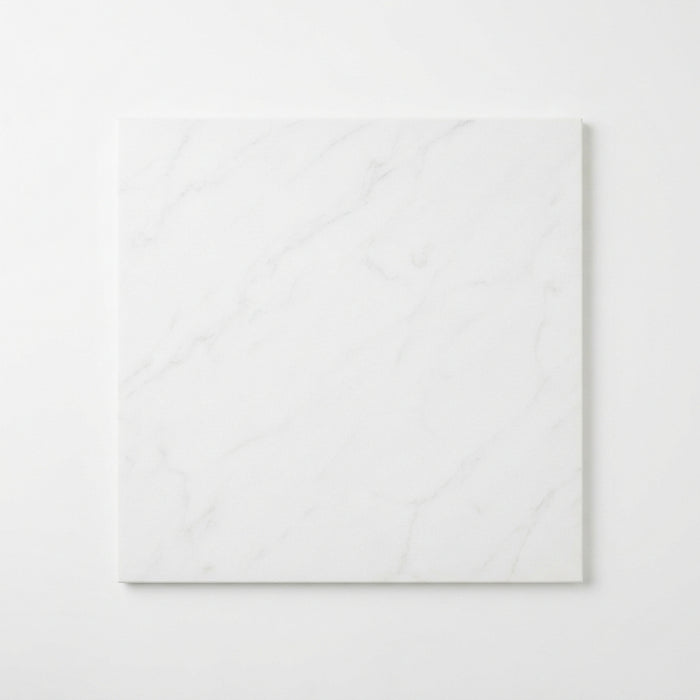
© SoCal Tiles. All rights reserved. Do not copy or republish without written permission. Ref sct-5798b3e3ef
Compare before you choose
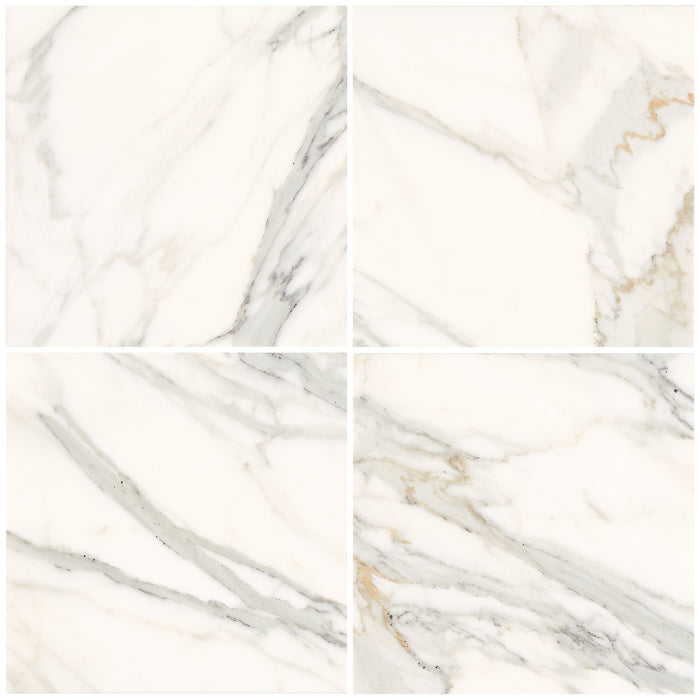
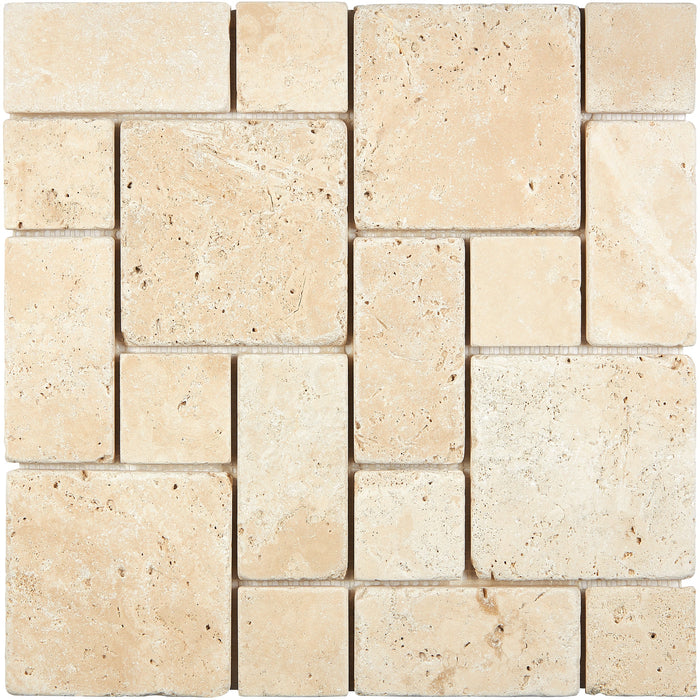
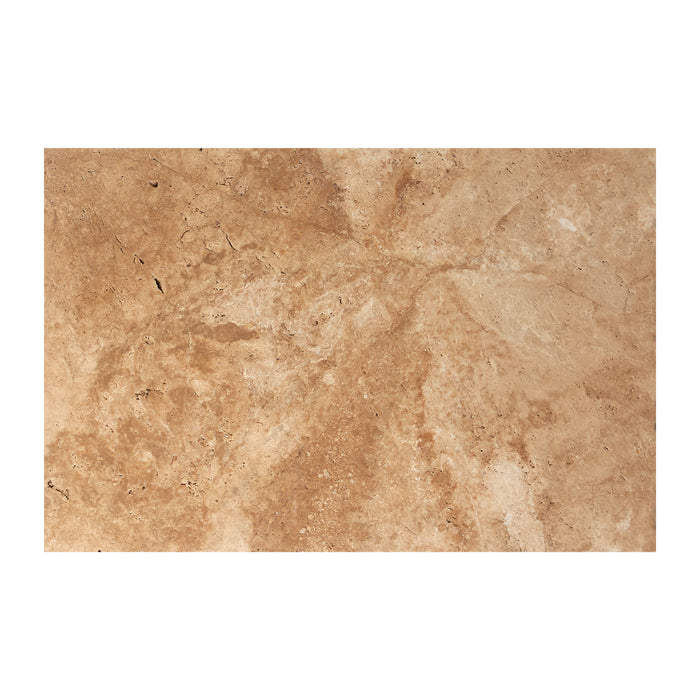
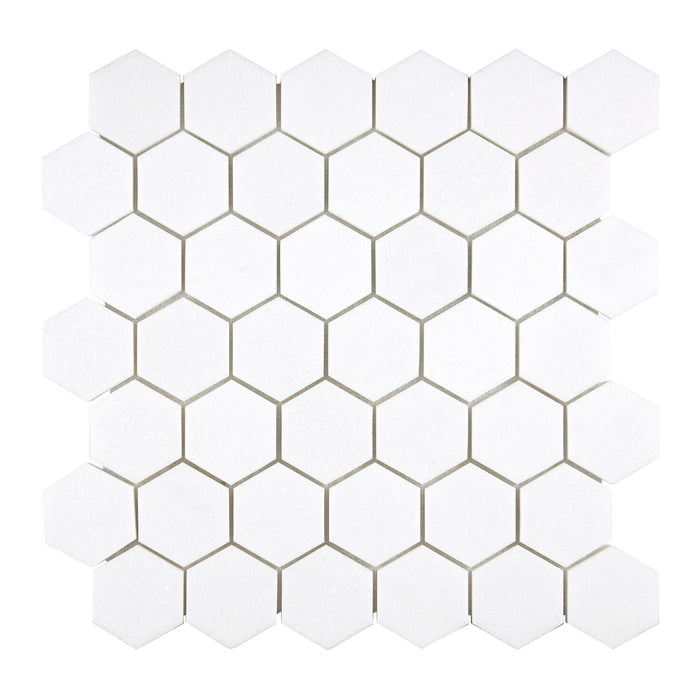
© SoCal Tiles. All rights reserved. Do not copy or republish without written permission. Ref sct-5798b3e3ef
Stone entries
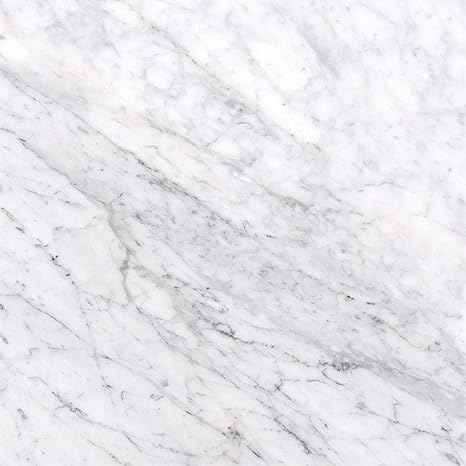
Carrara Marble
Read the entry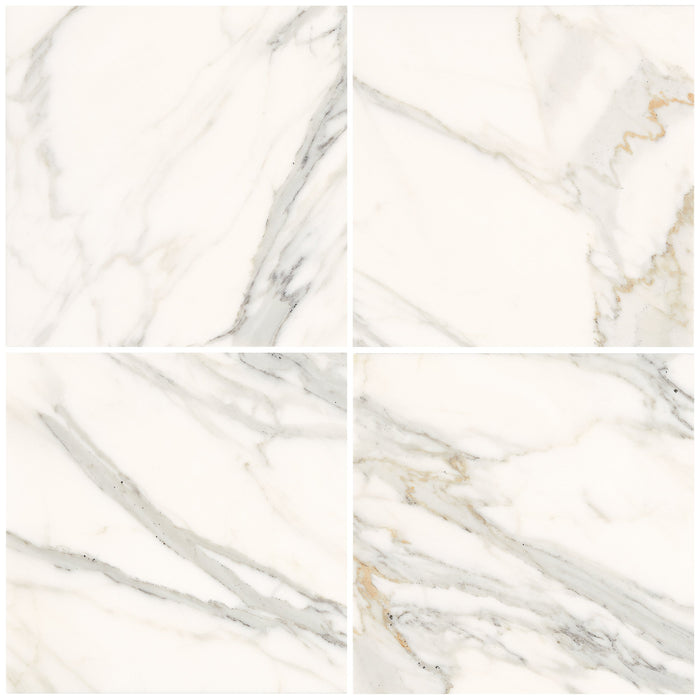
Calacatta Marble
Read the entry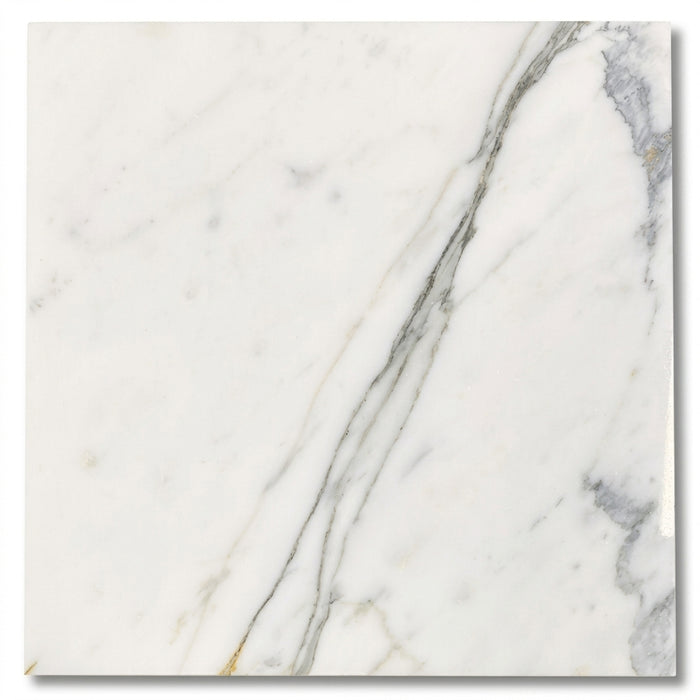
Statuario Marble
Read the entry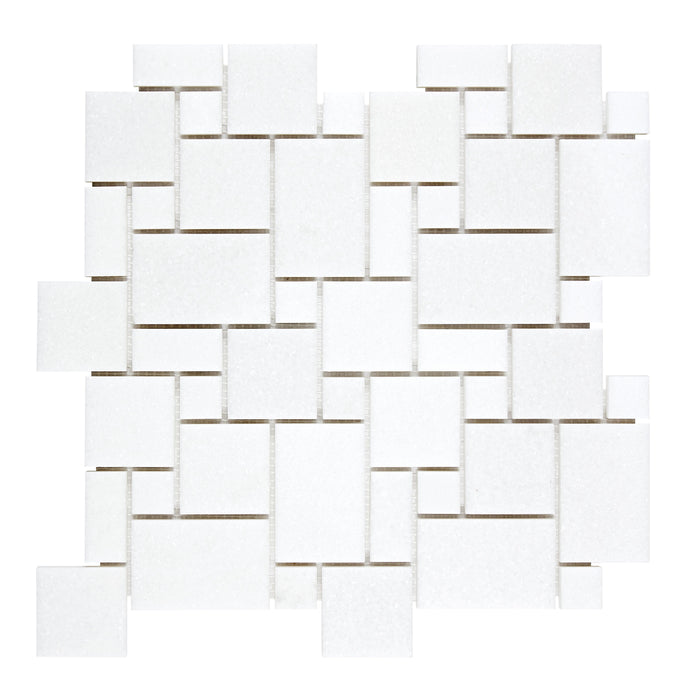
Thassos Marble
Read the entry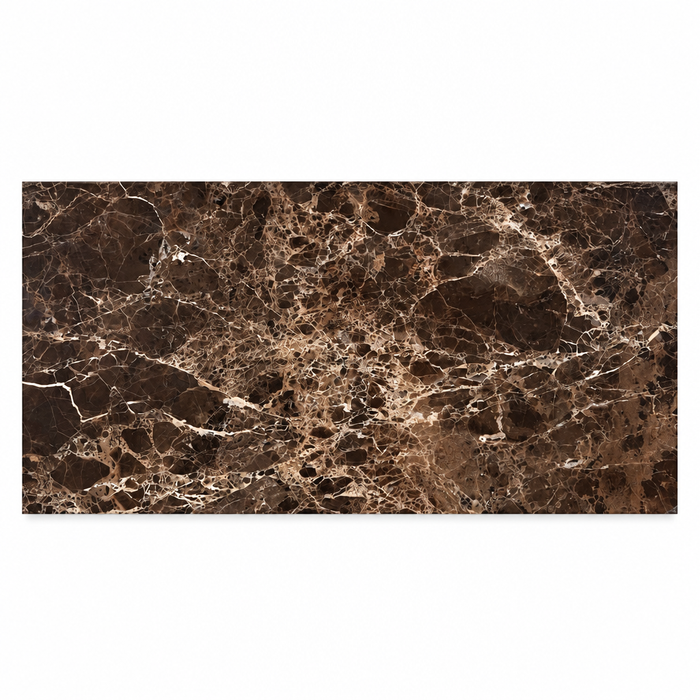
Emperador Marble
Read the entry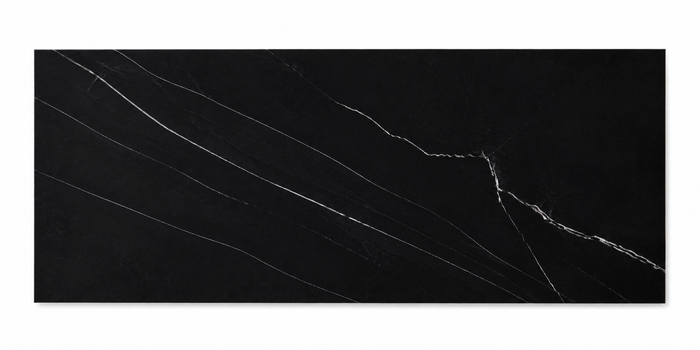
Nero Marquina Marble
Read the entry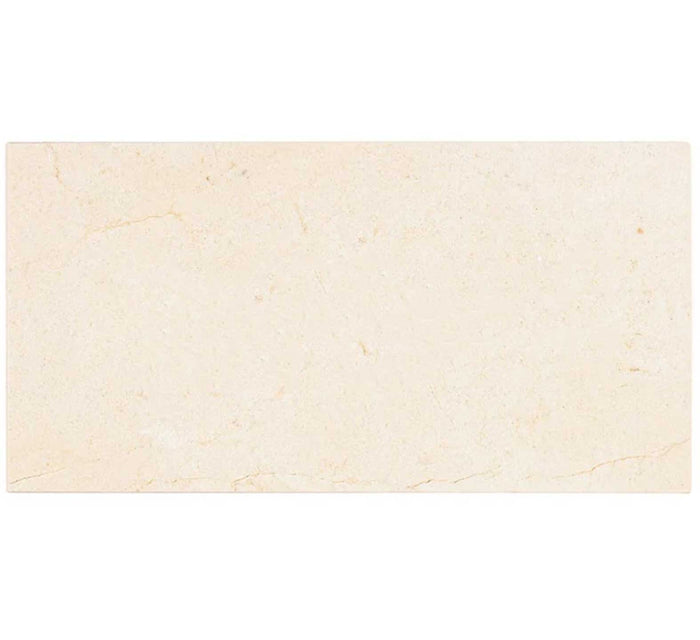
Crema Marfil Marble
Read the entry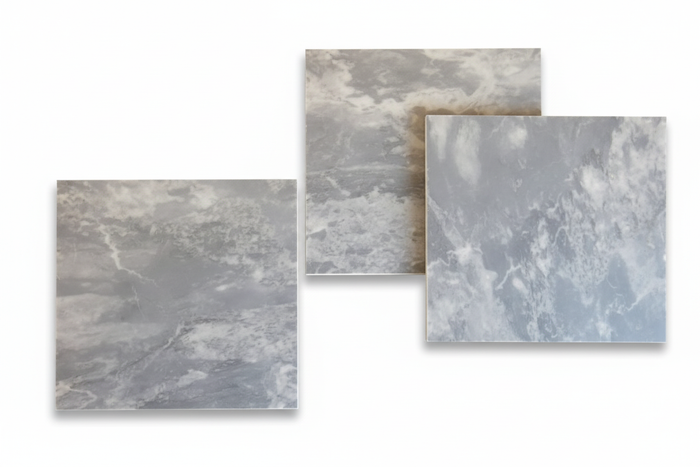
Bardiglio Imperiale Marble
Read the entry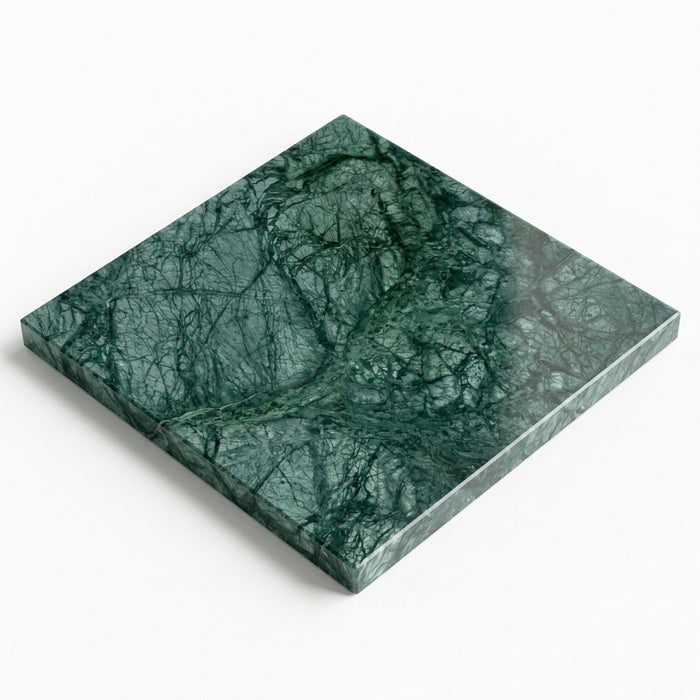
Empress Green Marble
Read the entry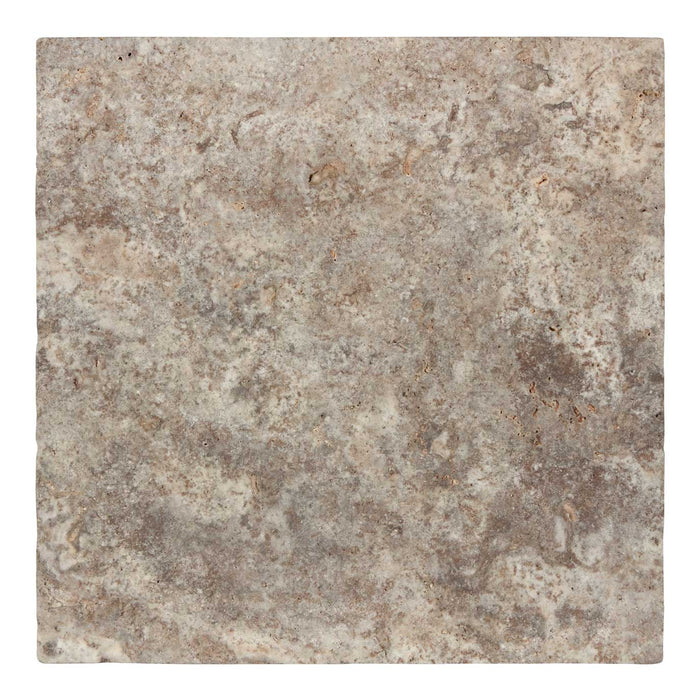
Silver Pewter Blend Travertine
Read the entry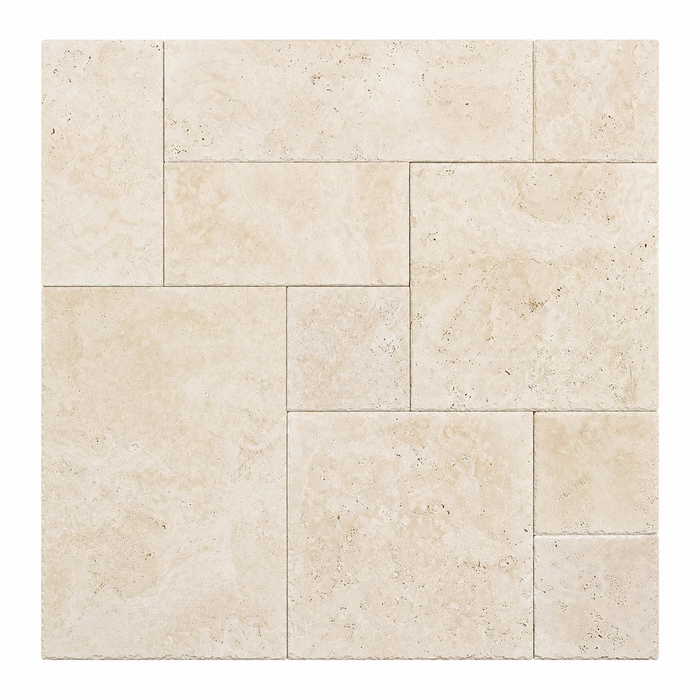
Ivory (Light) Travertine
Read the entry© SoCal Tiles. All rights reserved. Do not copy or republish without written permission. Ref sct-5798b3e3ef
Care, buying, design and comparison guides
Care and cleaning
- Natural stone care and maintenance guide: daily care, sealing and cleaning
- How to clean marble floors safely
- How to seal marble tile
- How to remove stains from marble
- Etching vs staining on marble: what is the difference
- Travertine care: cleaning and sealing travertine tile
Buying, planning and installing
- Natural stone tile buying guide
- Natural stone tile installation guide
- Natural stone project planning by room
- Quantity and layout review: how much tile to order
- Tile calculator
- Trade Program for contractors and designers
- Same-lot guarantee
Backsplash and pattern guides
- Marble backsplash tile
- Travertine backsplash tile
- Herringbone backsplash tile
- Backsplash tile for white cabinets
- Field tile vs mosaic backsplash
- Genuine natural onyx backsplash tile
- Mini Versailles mosaic tile design and specification guide
Color, finish and comparison guides
- Natural stone color codes: HEX and RGB for marble, travertine and dolomite
- Honed vs polished stone: matte or glossy
- Filled vs unfilled travertine
- Calacatta vs Carrara marble
- Travertine vs marble
Every stone entry
- What is marble
- What is travertine
- What is onyx
- What is dolomite
- Carrara marble
- Calacatta marble
- Statuario marble
- Thassos marble
- Emperador marble
- Nero Marquina marble
- Crema Marfil marble
- Bardiglio Imperiale marble
- Empress Green marble
- Silver Pewter Blend travertine
- Ivory (Light) travertine
© SoCal Tiles. All rights reserved. Do not copy or republish without written permission. Ref sct-5798b3e3ef
Quick answers: 1/8 vs 1/16 grout lines, wall vs floor tile and more
1/8 vs 1/16 grout lines: which should I choose?
A 1/16 in grout line is a tight, nearly seamless joint; 1/8 in is a little wider and more forgiving. Natural stone can vary slightly in size and edge, so a wider joint often makes straight lines easier, while a tight joint suits very uniform tile. Wider joints such as 1/4 in give a bolder, more rustic look. Your installer decides the right width for your tile. See the installation guide and marble subway tile.
What is natural stone tile?
Natural stone tile is cut from real quarried rock. The families we carry are marble, travertine, onyx, dolomite and limestone, and every piece varies in color and veining. Shop all tile and stone or read the buying guide.
What are paving stones?
Paving stones, or pavers, are stone pieces for outdoor floors such as patios, walkways and pool decks. Tumbled pavers have softened edges and an aged look; non-tumbled pavers have crisp edges and a cleaner look. See travertine pavers and pool coping, outdoor tile and tumbled travertine tile.
What is the difference between wall tile and floor tile?
Floor tile is chosen to handle foot traffic, wear and traction. Wall tile is not meant to be walked on, and many floor tiles can also go on walls. Always check the product and ask your installer for the room. Browse wall tiles, natural stone floor tile and large-format tile.
Honed vs matte tile: are they the same?
Honed is a matte finish: smooth and flat with no gloss. Matte is the general word and honed is the stone term. See honed vs polished stone for the full comparison.
Tumbled vs honed: what is the difference?
Honed stone is flat and smooth with crisp edges. Tumbled stone is rolled to soften its edges and surface for a worn, aged look. Both are available in travertine and marble: see honed travertine, tumbled travertine, honed marble and tumbled marble.
Honed vs polished travertine and marble: which is which?
Polished is glossy and reflective; honed is matte. Travertine is most often sold honed (including Filled & Honed), while most marble comes polished or honed. Polished vs unpolished marble: unpolished usually means honed or tumbled. See honed vs polished stone, polished marble tile and honed travertine tile.
Cross cut vs vein cut travertine: what is the difference?
Vein-cut travertine is cut along the stone bedding, so it shows linear banding. Cross-cut travertine is cut across the bedding, so it looks cloudier and more uniform. Both appear in our travertine collection; look for "Cross-Cut" or "Vein-Cut" in the product name.
Dolomite vs marble: what is the difference?
Dolomite is chemically distinct from marble. Marble is metamorphosed limestone (mostly calcite); dolomite is built around the mineral dolomite (calcium magnesium carbonate). Visually they can look alike. See What is dolomite, What is marble and the dolomite collection.
What is the difference between limestone and dolomite?
Limestone is mostly calcite (calcium carbonate). Dolomite rock is mostly the mineral dolomite (calcium magnesium carbonate). Travertine is a type of limestone. Browse limestone tile and dolomite tile.
Sealed vs unsealed marble: does it matter?
Sealing helps marble resist stains because it slows liquids from soaking in. It does not stop acid etching. See how to seal marble tile and etching vs staining.
Bullnose vs eased edge, and half vs full bullnose?
An eased edge is a slightly softened square corner. A bullnose has a rounded edge: half bullnose rounds one corner, full bullnose rounds both for a fully rounded edge. Browse bullnose trim and pencil liner trim.
What is stacked stone?
Stacked stone is narrow stone pieces assembled in layers for a rough, textured wall. We do not carry it; for texture, see split-face stone tile.
White vs gray thinset for natural stone?
White thinset is commonly used under white and light stone because gray mortar can show through. Gray is common under darker stone. Follow your installer and the stone supplier. See the installation guide.
Subway tile layout: 1/3 offset vs 1/2 offset, vertical vs horizontal?
A 1/2 offset is the classic brick pattern. A 1/3 offset staggers each row by a third of the tile for a more varied look. Horizontal is traditional; vertical makes a wall feel taller. See marble subway tile and the marble backsplash tile guide.
Filled vs unfilled travertine in one line?
Filled travertine has its natural holes filled for a smoother face; unfilled keeps them open for a rustic look. Full comparison: filled vs unfilled travertine.
Ready to shop?
Every entry lists its sources at the bottom. Claims we couldn't check against an independent source are left out. Care depends on the stone: most marble, limestone and travertine can be etched by acids such as lemon or vinegar. See the stone care guide.
© SoCal Tiles. All rights reserved. Do not copy or republish without written permission. Ref sct-5798b3e3ef