


Marble Kitchen Tile
Marble tile for kitchen backsplashes, walls and floors.
Pick by spot
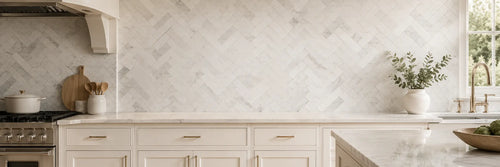
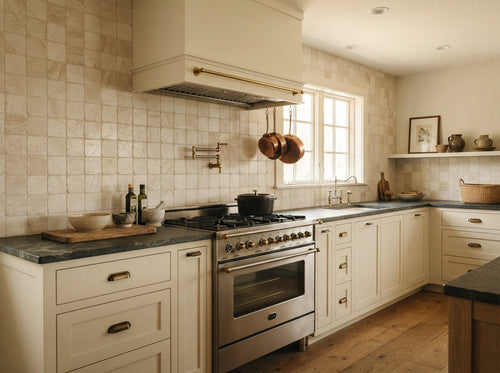
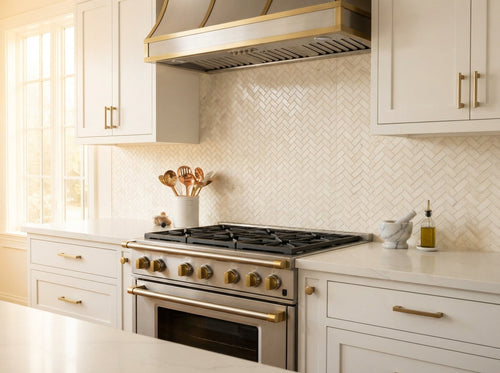

Pick by look
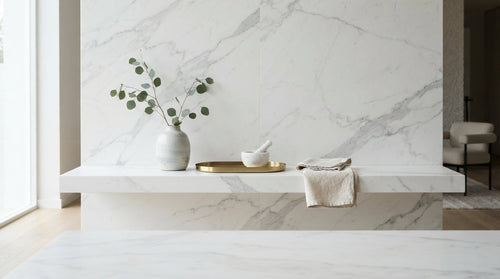
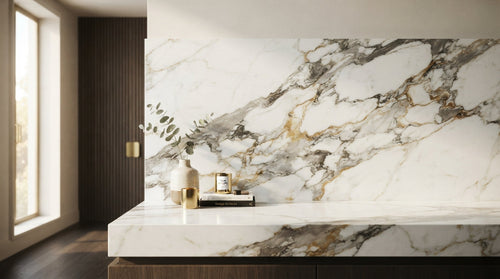
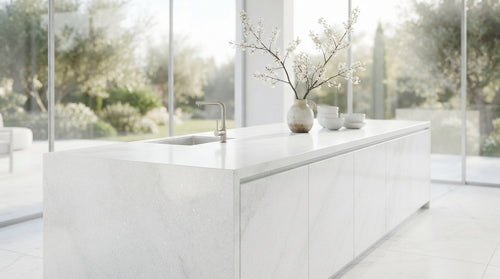
Honed or polished
Care
Questions
Will lemon juice or tomato sauce damage marble?
Some can. Acids such as lemon juice, wine, tomato sauce and vinegar leave dull marks called etches, and many all-purpose and bathroom cleaners contain acids. Wipe up acidic spills fast, and check the label for safe for marble or natural stone. Sealing does not prevent etching.
Do I need to seal marble?
Not always. Put a few drops of water on the stone for about 15 minutes. If it darkens, a sealer can help. Sealing makes the stone more stain resistant, not stain proof, and it does not stop etching. Check that the sealer is labeled for your stone and the location (interior, exterior, shower or floor).
Honed or polished marble for a kitchen?
Polished shows the pattern most vividly. Honed has a smooth matte surface, hides small imperfections better, and on many stones can add some slip resistance underfoot. Polished also shows etch marks and scratches more. Ask us for the supplier's data sheet if you need a slip rating.
What can I clean marble with?
Use a pH-neutral stone cleaner, or a little mild dish soap in warm water. Avoid vinegar, lemon, acidic cleaners and scouring powders, which can dull or scratch the stone.